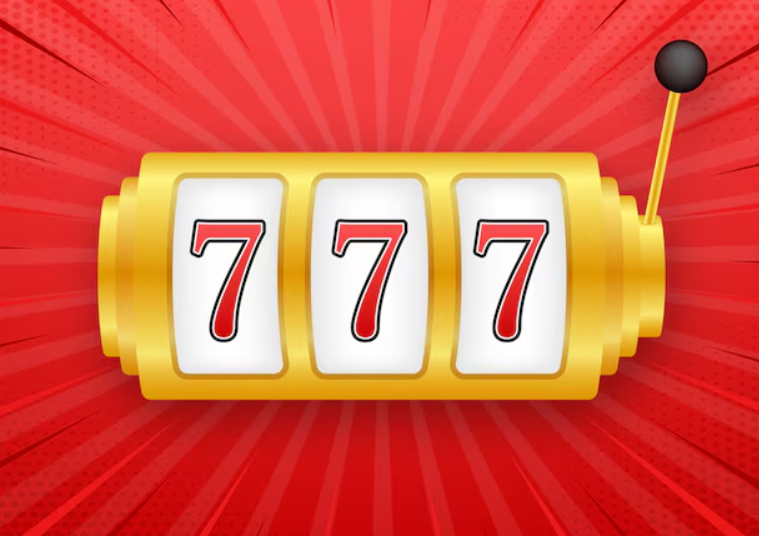
Few forms of entertainment have adapted to technological change as visibly as slot-style gaming. What began with mechanical reels, physical levers, and simple symbols has gradually moved onto digital screens filled with animation, sound effects, interactive features, and mobile-friendly controls.
Yet the basic idea has remained remarkably familiar. Players still recognize spinning reels, matching symbols, and the anticipation created before a result appears. The difference is that modern technology has expanded what can happen around that classic spin.
Today, digital entertainment and traditional slot mechanics increasingly work together, creating experiences that feel familiar while offering far more visual and interactive possibilities.
Table of Contents
ToggleThe Classic Spin Still Provides the Foundation
Despite major technological changes, many modern slot games continue to build their design around concepts established by traditional machines.
Familiar Mechanics Make Games Easy to Understand
Traditional slot machines became popular partly because their basic operation was straightforward. A player started a spin, watched the reels move, and waited for symbols to settle into position.
Digital games often preserve this recognizable structure. Even when a title includes advanced graphics or additional features, the spinning reel remains the central point of interaction.
This familiarity can reduce the amount of time needed to understand how a game works. Instead of learning an entirely new entertainment format, players can recognize established symbols, paylines, reels, and spin controls while gradually exploring newer features.
Technology Expands the Traditional Reel Format
Physical machines were naturally limited by their hardware. A cabinet could contain only a certain number of reels, symbols, buttons, lights, and mechanical components.
Digital platforms face fewer physical restrictions.
Developers can create different reel layouts, changing backgrounds, animated symbols, multiple bonus screens, and visual transitions without redesigning a physical machine. This flexibility has allowed the traditional slot concept to evolve into a much broader form of screen-based entertainment.
Visual Design Has Become Part of the Experience
Modern digital entertainment places significant importance on presentation. Graphics are no longer simply decorative elements surrounding the reels. They help establish the atmosphere and identity of a game.
Themes Turn Reels Into Digital Environments
Many contemporary games are built around recognizable themes such as fantasy, adventure, mythology, futuristic technology, nature, history, or popular entertainment styles.
Backgrounds, character illustrations, symbols, interface elements, and animations can all support the same theme.
Instead of seeing a static reel window, players may watch environments change when certain features appear. Symbols can animate after landing, while transitions can introduce different sections of the game.
Platforms and gaming destinations such as pg123 login reflect the broader shift toward digital environments where presentation, navigation, and game variety become important parts of the overall experience.
Animation Makes Individual Spins Feel More Dynamic
Traditional mechanical machines created movement primarily through physical reels and flashing lights. Digital games can produce much more elaborate motion.
Symbols may expand, disappear, transform, or trigger additional animations. Background elements can react to events on the reels, while short visual sequences can highlight important moments.
Sound Adds Another Layer to Digital Slot Design
Visual improvements receive much of the attention, but sound has also changed significantly as slot gaming has moved into digital environments.
Music Helps Establish the Theme
Modern games frequently use background music designed specifically for their setting. An adventure-themed title might use energetic orchestral sounds, while a futuristic game may rely on electronic music.
Music can also change depending on what is happening on the screen. A calm soundtrack might become faster during a feature or interactive sequence.
Sound Effects Provide Immediate Feedback
Short audio cues can help communicate what has happened after a spin. Different sounds may accompany symbol combinations, feature activations, button selections, or screen transitions.
Good sound design makes these interactions easier to recognize without overwhelming the player.
For mobile users, however, games must also work effectively with the sound turned off. Clear visual feedback, therefore, remains equally important.
Bonus Features Have Expanded Beyond Simple Reels
One of the biggest differences between traditional machines and digital slot entertainment is the range of additional features that developers can include.
Interactive Features Create More Variety
Digital games may contain free-spin rounds, expanding symbols, multipliers, collection mechanics, cascading reels, progress meters, or separate bonus screens.
Some features temporarily change the structure of the reels themselves. Others introduce additional decisions or visual sequences.
Because these systems are created through software, developers can combine them in many different ways. Two games with similar basic reel layouts can therefore provide very different experiences.
Features Can Support the Theme
Bonus mechanics are increasingly designed to match a game's visual concept rather than appearing as unrelated additions.
For example, an exploration-themed game might use a collection mechanic in which players gather virtual objects. A fantasy game might introduce animated characters during certain features.
Connecting mechanics with presentation can make the overall design feel more consistent.
Mobile Technology Has Changed How Games Are Designed
The growth of smartphones has had a major influence on digital entertainment. Slot games are now commonly designed for smaller screens and touchscreen controls.
Interfaces Need to Work on Compact Screens
Mobile design requires careful organization. Important information must remain readable without filling the screen with unnecessary buttons or text.
Developers therefore use simplified menus, large touch controls, expandable information panels, and responsive layouts.
Portrait-friendly designs have also become more common because many smartphone users naturally hold their devices vertically.
Short Sessions Influence Game Presentation
Mobile entertainment can happen almost anywhere users have appropriate access. As a result, digital games often need to load efficiently and provide information quickly.
Clear navigation becomes especially important. Players should be able to understand the main interface without moving through several complicated menus.
This emphasis on convenience reflects a much broader trend across digital entertainment, where audiences increasingly expect experiences to adapt smoothly to different devices.
Technology Is Adding New Layers Without Removing the Original Idea
The evolution of slot gaming shows how digital technology can modernize a familiar entertainment format without completely replacing its foundations.
Mechanical reels have become animated displays. Simple lights have evolved into detailed visual effects. Basic sounds have developed into responsive audio systems, while fixed machines have expanded into experiences accessible across computers, tablets, and smartphones.
Yet the recognizable spin remains at the center.
That combination of familiarity and innovation explains why the format continues to change without losing its identity. As graphics, interfaces, mobile technology, and interactive features develop further, digital slot entertainment is likely to keep building new experiences around one of gaming's most enduring ideas: watching the reels turn and waiting to see where they stop.